
Does Medicare Cover Hearing Aids? Find Out Now
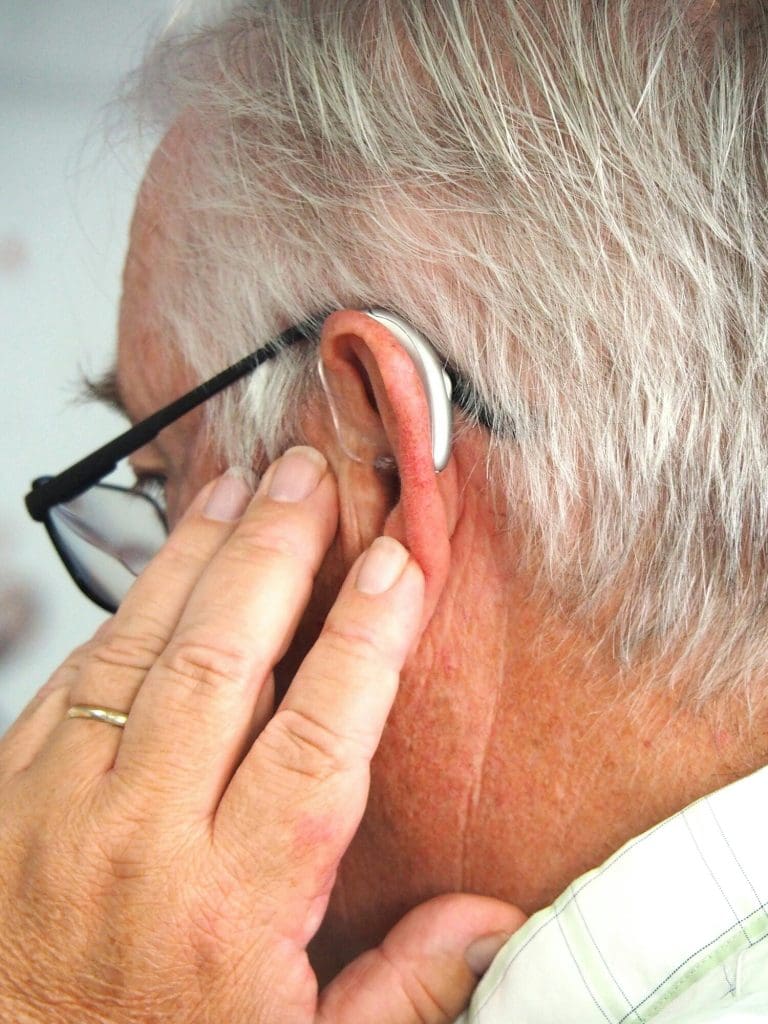
Does Medicare cover hearing aids? Not under Original Medicare (Parts A and B). It also doesn’t pay for routine hearing exams or fittings.
It only covers diagnostic hearing tests when ordered by a physician. Some Medicare Advantage plans, however, may offer partial hearing aid benefits.
Have you ever wondered why so many older adults struggle to afford hearing support even though hearing loss is so common? The core issue is that Medicare’s coverage gaps leave many without assistance. Today we’re taking a closer look into what Medicare does and doesn’t cover, what alternatives exist, and more.
Do Over 65 Get Free Hearing Aids?
Many people assume that turning 65 means access to free hearing aids. The belief is common among older adults who expect Medicare to cover hearing support. The reality is different, and understanding how Medicare works can help people plan for their needs.
- Limits of Original Medicare
- What Medicare Does Cover
- Options for Senior Hearing Solutions
Limits of Original Medicare
Original Medicare doesn’t include hearing aids in its list of covered items. Hearing aids fall under routine care, and Medicare hearing benefits don’t extend to routine exams or fittings either.
Many adults are surprised by this gap, especially if they expected hearing aid insurance through Medicare. The rules have remained the same for years, and the lack of coverage often leaves people searching for other ways to manage hearing loss.
What Medicare Does Cover
There’s still some support available through Medicare Part B. A doctor can order a diagnostic hearing exam if a medical issue is suspected. Part B covers that exam, but only when it’s tied to a medical concern.
The exam can confirm hearing loss, yet the cost of the hearing aids themselves falls on the patient. Medicare eligibility doesn’t change this rule, even for those with significant hearing challenges.
Options for Senior Hearing Solutions
Many seniors look for other resources once they learn Medicare won’t pay for aids. Some explore private plans that offer hearing aid insurance.
Others compare prices from different providers to find affordable hearing aid options. These choices often help older adults find support that fits their budget and hearing needs.
Are Costco Hearing Aids Covered by Medicare?
Many older adults look for hearing aids at retail stores because the prices can be lower than what private clinics charge. Costco is one of the most common places people look for help with hearing loss. The question many ask is whether Medicare will help pay for devices bought there.
- Lack of coverage under Original Medicare
- Possible coverage through Medicare Advantage
Retail pricing and hearing aid options
Lack of Coverage Under Original Medicare
Original Medicare doesn’t cover hearing aids from any retail location, including Costco. Hearing aids are considered routine items, so they fall outside Medicare hearing benefits.
People often walk into Costco expecting hearing aid insurance through Medicare, but the costs are still paid out of pocket. The store offers hearing tests and fittings, yet none of the hearing aid expenses qualify for reimbursement under Parts A or B.
Possible Coverage Through Medicare Advantage
Many Medicare Advantage plans work differently from Original Medicare. Some of these plans offer limited support for hearing aids.
The coverage depends on the plan, and each one sets its own limits. A plan may offer a flat allowance, a discount with certain providers, or a specific benefit amount.
Costco hearing centers don’t always participate in those networks. Someone with Medicare Advantage may receive partial help, but it isn’t guaranteed.
Retail Pricing and Hearing Aid Options
Costco is known for offering lower prices on hearing devices. Large retail chains often sell models that fit a wide range of budgets. Many seniors find those hearing aid options appealing, even without Medicare support.
Shopping at a retail store gives people more control over price and brand choices. The savings can help reduce the burden when Medicare doesn’t cover the cost.
What Alternatives Exist When Medicare Doesn’t Pay?
Many older adults feel discouraged when they learn Medicare won’t help with hearing aids. The cost can be high, so people often look for other ways to manage their hearing needs. Several paths can lower the expense and make hearing support more realistic.
- Private insurance plans
- State and community programs
- Veterans benefits
- Over-the-counter options
- Non-profit and refurbished aids
Private Insurance Plans
Some private insurance plans include hearing aid insurance. These policies may offer partial coverage, yearly allowances, or negotiated discounts.
Many seniors explore these plans when Medicare hearing benefits fall short. People often compare features to find hearing aid options that fit their budget. The amount of support varies, but private plans can ease the financial strain.
State and Community Programs
Certain states offer programs that help older adults with hearing needs. Income-based services can provide lower-cost exams or devices. Many local agencies also run support programs for seniors with limited income. These programs help fill gaps left by Medicare eligibility and offer a more affordable path to hearing care.
Veterans Benefits
Veterans with qualifying service-connected needs may receive hearing aids through the VA. The VA often supplies exams, fittings, and follow-up care.
Many veterans consider this route first because the support can be significant. Access depends on eligibility, but those who qualify often find strong help through the VA system.
Over-the-Counter Options
Over-the-counter hearing aids have grown in popularity. They’re sold without a prescription and often cost less than traditional devices.
Many people use them for mild to moderate hearing loss. These options create new senior hearing solutions for those who can’t afford prescription models.
Non-Profit and Refurbished Aids
Some non-profit groups collect and refurbish used hearing aids. They sell them at reduced prices or give them to those who meet income guidelines.
These programs help people who need hearing support but can’t manage retail prices. Many seniors appreciate this path as a practical way to reduce costs.
Frequently Asked Questions
How Often Does Medicare Pay for Hearing Tests?
Medicare Part B pays for diagnostic hearing tests when a doctor needs them to check for a medical issue. The number of tests covered depends on medical need.
Some people only need one exam, while others may need more follow-up testing. Routine hearing tests aren’t covered, so most people only receive paid testing when there’s a clear medical purpose.
What Is the Difference Between Routine Hearing Care and Diagnostic Hearing Care Under Medicare?
Routine care includes hearing screenings, cleanings, and checks meant to monitor overall hearing health. Diagnostic care is different because it’s ordered to examine a specific medical concern.
Medicare pays for diagnostic tests but doesn’t pay for routine services. Many seniors find the difference confusing because both kinds of visits may feel similar. The purpose of the appointment is what matters in Medicare’s rules.
Do Medicare Advantage Plans Cover Hearing Aid Fittings and Follow-Up Care?
Some Medicare Advantage plans offer hearing benefits that go beyond what Original Medicare provides. Certain plans include fittings, follow-up visits, and support for minor repairs.
Each plan sets its own limits, so the coverage varies. A person may need to use a specific audiologist or hearing center to receive these benefits. Many people review their plan details closely before making an appointment.
Are There Income-Based Programs That Help Seniors Afford Hearing Aids?
Several programs help people with limited income pay for hearing support. Some states run assistance programs that reduce the cost of exams or devices. Local senior centers sometimes offer discounted services.
Many nonprofit groups also help by giving refurbished hearing aids to qualifying adults. These programs give people access to support when Medicare coverage isn’t enough.
Can Over-the-Counter Hearing Aids Be Used Instead of Prescription Devices?
Over-the-counter hearing aids can help with mild to moderate hearing loss. They’re often cheaper and easier to buy than prescription devices. Many people start with OTC aids to see if they help before exploring more expensive options.
OTC models work well for some people, but not for everyone. Severe hearing loss usually needs a prescription device with advanced adjustment features.
Do Any Employers or Retiree Health Plans Cover Hearing Aids After Age 65?
Some employer and retiree plans include hearing support. These plans may offer partial coverage for hearing aids or testing.
The benefits vary by company and by plan type. Many retirees keep these plans to help fill gaps left by Medicare. People often contact their benefits office to learn what support is still available.
Does Medicare Cover Hearing Aids?
Medicare leaves many gaps in hearing care, so planning ahead matters. The question “does Medicare cover hearing aids?” often leads to confusion, yet the answer depends on the type of coverage a person has. With the right resources and options, many seniors still find hearing support that fits their needs and budget.
At Key2Medicare, we make Medicare simpler by offering clear guidance from eligibility to enrollment and ongoing plan reviews. Our team represents Medicare Supplement, Medicare Advantage, and Prescription Drug Plans, giving you a balanced look at coverage and costs. Our services are always free, and as an independent agency, we offer unbiased support with no pressure or obligations.
Get in touch today to find out how we can help with your Medicare needs.