Ozempic and Medicare: Are Your Prescriptions Covered?
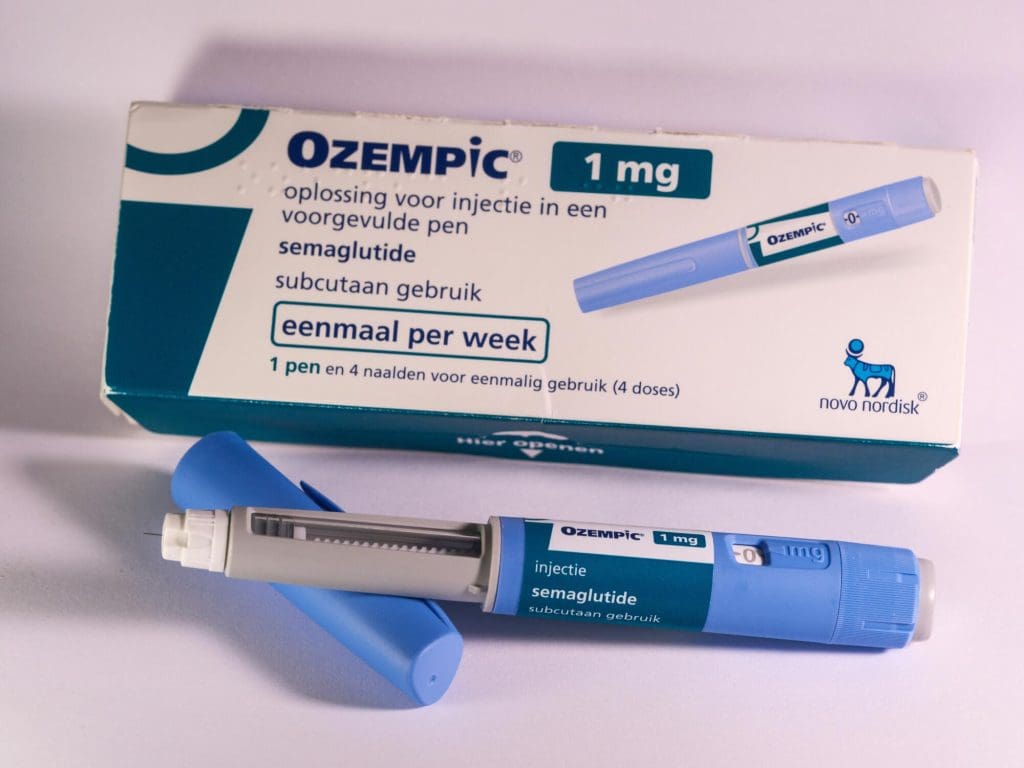
If you’re asking, “does Medicare cover Ozempic?” the direct answer is yes, it can–but coverage depends entirely on your specific Part D or Medicare Advantage plan. Not every plan includes it, and costs can vary. Getting the right information is the first step to managing your health and your budget.
This question is more pressing than ever. Recent 2025 policy shifts mean some plans are implementing new coverage restrictions for medications like Ozempic. Navigating Medicare benefits feels complex, and when you add these specific changes into the mix, it’s easy to feel overwhelmed. You’re not just looking for a “yes” or “no”; you need clear, actionable steps.
So, walk through exactly how Medicare Part D handles prescriptions like Ozempic, what you can expect to pay, and how to confidently check your own plan’s details. Then, you’ll have the facts you need to take control of your coverage.
How Does Medicare Drug Coverage Actually Work?
First, let’s get the lay of the land. Original Medicare (Part A and Part B) does not cover most prescription drugs you pick up at the pharmacy. That crucial coverage comes from two places:
- Medicare Part D: These are standalone prescription drug plans (PDPs) that you add to Original Medicare
- Medicare Advantage (Part C): These are all-in-one plans offered by private companies that bundle Part A, Part B, and usually Part D
Think of it like this: Part D is the dedicated prescription benefit. Each year, private insurance companies that offer these plans create a list of covered drugs called a formulary.
Where Ozempic lands on that formulary–and in which “tier”–directly controls your out-of-pocket cost. This is the core of your Ozempic insurance question.
So, Does Medicare Cover Ozempic?
Let’s get specific: Does Medicare cover Ozempic in a way that applies to you? The answer hinges on your plan’s formulary. Ozempic (semaglutide) is widely covered by many Part D and Medicare Advantage plans, but it is not guaranteed.
Most plans that do cover it place Ozempic on a specialty tier (usually Tier 4 or 5). These tiers are for higher-cost medications. The coverage details matter immensely:
- Prior Authorization
- Step Therapy
- Quantity Limits
This isn’t meant to complicate things, but to empower you. Knowing these terms means you can have a more informed conversation with both your doctor and your plan provider to navigate the path to coverage.
Understanding Your Costs for Ozempic
Let’s talk numbers, because “covered” doesn’t always mean “affordable.” Your actual cost for Ozempic under Medicare Part D involves a few moving parts. Here’s the breakdown you need to budget effectively.
First, you have your plan’s premium–the monthly fee you pay for the coverage itself. Then, most plans have an annual deductible. This is the amount you pay out-of-pocket for drugs before your plan starts sharing the cost. In 2025, the maximum Part D deductible is set by Medicare, but many plans have lower ones.
Understanding the 2025 Part D Out-of-Pocket Cap
A major change took effect in 2025 that simplifies your costs: the Medicare Part D out-of-pocket cap. This new rule places a firm annual limit on what you pay for all covered prescription drugs.
The New Rule: In 2025, once your out-of-pocket spending on covered Part D drugs (like Ozempic) reaches $2,000, you pay $0 for the rest of the year for those medications. This cap includes your deductible, copays, and coinsurance.
What This Means for Ozempic: If Ozempic is covered by your plan, your costs for it will contribute to this $2,000 cap. For example, if you have a 33% coinsurance on a $1,000 monthly supply ($330), you would reach the cap in approximately 6 months. After that, your Ozempic would be covered at no cost to you for the remainder of the year.
Important Clarifications: The cap does not apply to your plan premiums or to drugs not covered by your Part D plan. It also does not apply to medications covered under Medicare Part B.
This cap is automatic for everyone enrolled in a Part D plan and is a significant benefit, especially for those on specialty medications.
Steps to Check and Secure Your Coverage
Knowledge is power, but action is key. Here is your simple, step-by-step guide to moving from question to confidence. Treat this like a friendly checklist–we’re walking through it together:
- Gather Your Plan Documents
- Log In to Your Plan’s Portal
- Make the Call
- Partner with Your Doctor
- Explore Annual Review
Gather Your Plan Documents: Have your Medicare Part D or Medicare Advantage plan information ready. Your “Evidence of Coverage” (EOC) and “Formulary” documents are your rulebooks. The formulary isn’t just a list; it’s a detailed guide that shows drug tiers, restrictions, and any preferred pharmacy networks that could offer lower costs.
Log In to Your Plan’s Portal: The quickest way to check is online. Use your member login to search for “Ozempic (semaglutide)” in your plan’s drug lookup tool. Note the tier, prior authorization rules, and estimated cost. Pay close attention to whether your preferred pharmacy is “in-network,” as using an out-of-network pharmacy can drastically increase your share of the cost.
Make the Call: If online info is unclear or you want confirmation, call the member services number on your insurance card. Ask directly: “What are the coverage criteria and my cost-share for Ozempic at my preferred pharmacy?” Be specific. Write down the representative’s name, the time of the call, and any reference number provided.
If this process feels daunting, remember that Key2Medicare provides guidance at no cost or obligation. Our role is to simplify these conversations and help you understand the details, ensuring you avoid costly oversights. We’re an independent brokerage with no allegiance to any one plan, so our only goal is to help you find the right fit.
Partner with Your Doctor: If your plan requires prior authorization or step therapy, your doctor’s office will need to submit the necessary paperwork. Give them a copy of the coverage details you gathered. They can often make a stronger case for medical necessity if they understand the plan’s specific requirements, turning a potential denial into an approval.
Explore Annual Review: If coverage is poor, costs are prohibitive, or your needs have changed, remember you have an annual opportunity to switch. The Annual Election Period (October 15 – December 7) is your window to enroll in a new plan for the following year. This is where personalized, expert guidance becomes invaluable to compare plans side-by-side, ensuring your Medicare benefits align perfectly with your health and financial priorities.
Frequently Asked Questions
What If My Medicare Plan Doesn’t Cover Ozempic?
Don’t panic. You have options. First, you can talk to your doctor about appealing the plan’s decision or applying for a formulary exception. Second, they might recommend a suitable alternative medication that is on your plan’s formulary. Finally, you can use the Annual Election Period to switch to a plan that does cover Ozempic, ensuring you’re set for the next year.
Does Medicare Part B Ever Cover Ozempic?
Very rarely. Medicare Part B generally covers drugs administered in a doctor’s office or hospital outpatient setting (like chemotherapy or certain injections). While Ozempic is an injection, it is designed for self-administration at home for chronic weight management and Type 2 Diabetes. Therefore, it almost exclusively falls under the Part D prescription drug benefit, not Part B.
How Does the New 2025 Part D Cap Work With Extra Help?
The new $2,000 out-of-pocket cap applies to all Part D enrollees. For those who qualify for the Extra Help program (Low-Income Subsidy), the benefits are even greater. Extra Help can dramatically lower or even eliminate your share of costs before you reach the cap, covering premiums, deductibles, and copays.
If you have high medication costs, it’s crucial to see if you qualify for Extra Help, as it works in tandem with the new cap to provide maximum financial protection.
How Often Should I Review My Medicare Part D Coverage?
At a minimum, you should do a full review every year during the Annual Election Period. Plans change their formularies, premiums, and pharmacy networks annually. A medication like Ozempic could move to a different tier, or a new plan might offer better coverage. An annual check-up for your plan is just as important as a check-up for your health.
Your Path to Confidence Starts Here
So, does Medicare cover Ozempic? As we’ve seen, the pathway is clear, but it requires navigating the specifics of your own Part D or Medicare Advantage plan. Understanding the role of formularies, tiers, and cost-sharing structures transforms a confusing question into a manageable process.
Remember, you don’t have to figure this out alone. At Key2Medicare, we believe in Trusted Guidance. Tailored Coverage. Navigating Medicare can feel overwhelming, but we simplify the process from A to Z–helping you avoid costly mistakes and ensuring you have the right coverage for your unique health and budget needs.
We represent all the plans (Medigap, Medicare Advantage, and Part D) to give you an unbiased, detailed analysis. And the best part? Our guidance and support come at no fee or obligation to you. We’re here as a helpful, pressure-free resource.
Ready to move from questions to clarity? Contact us today. Let’s find your perfect plan together.